For irrigation-dependent farms, the two usual power options — diesel generators and grid electricity — both come with recurring costs and reliability problems. Diesel prices fluctuate and require constant refuelling logistics; grid power in rural areas often means scheduled outages during exactly the hours irrigation is needed.
How solar pumping fits in
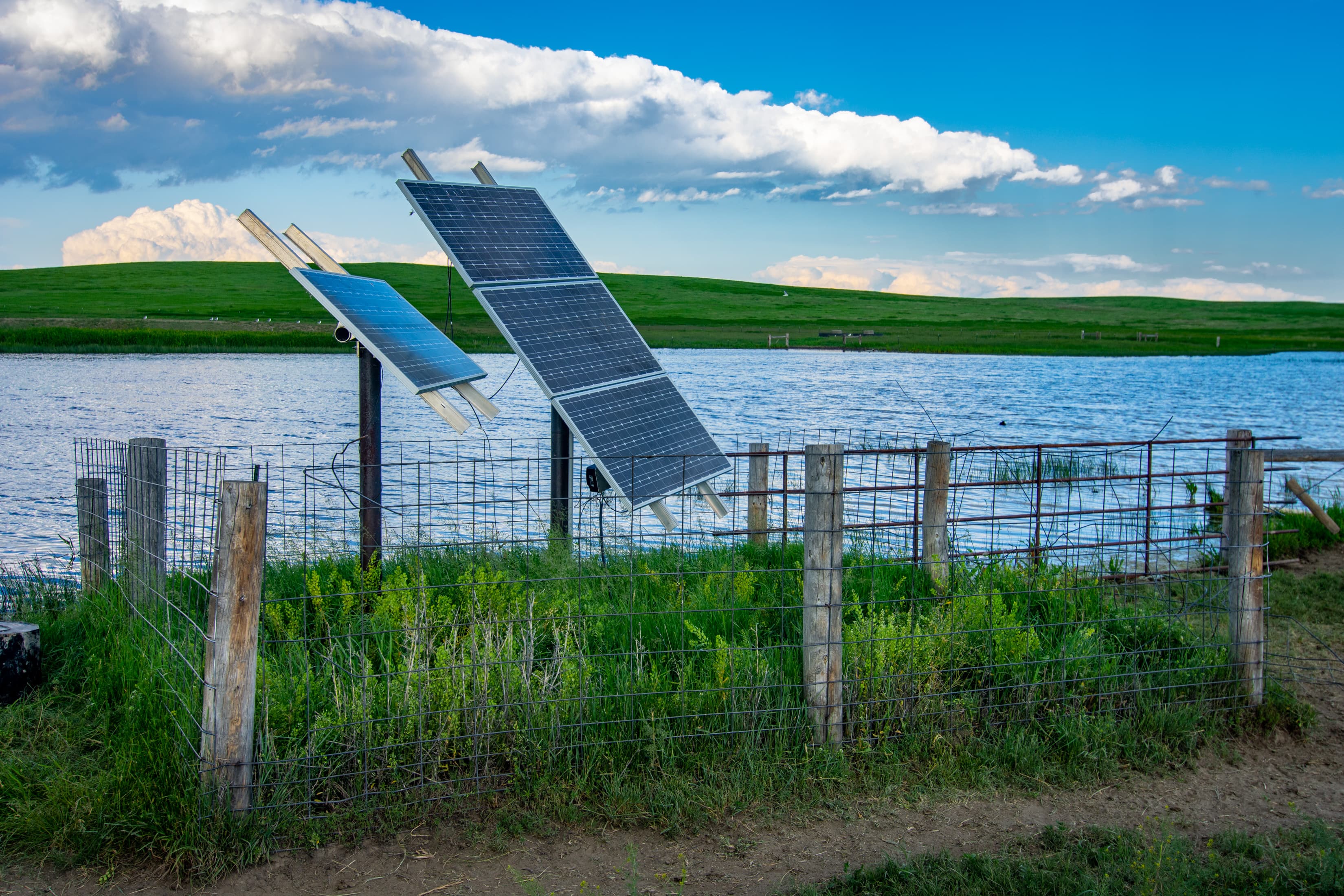
A solar water pump runs directly off a dedicated solar array (or a solar-plus-grid hybrid setup), sized to your borewell depth and flow-rate requirement. Once installed, running cost drops to near zero — the main ongoing expense is basic upkeep, not fuel.
Sizing it correctly matters
Undersized systems struggle during peak irrigation demand; oversized systems mean paying for capacity you don't use. Sizing depends on your borewell's water table depth, the pump's flow rate, and your irrigation schedule — this is a site-specific calculation, not a standard package.
Several state agriculture and renewable energy departments also run subsidy schemes specifically for solar irrigation pumps, separate from the residential rooftop scheme — worth asking about when you request a quote.